Every instrument in the package, read. Every question for the landman, listed.
A company preparing an asset for sale handed over its title package: hundreds of recorded instruments spanning decades of ownership across more than a hundred tracts. Cogzia turned it into a working title workbook, a chain of title for every tract, and a prioritized list of exactly where a landman was needed. The landman started from the queue, not from page one.
One package. Decades of ownership. A sale on the clock.
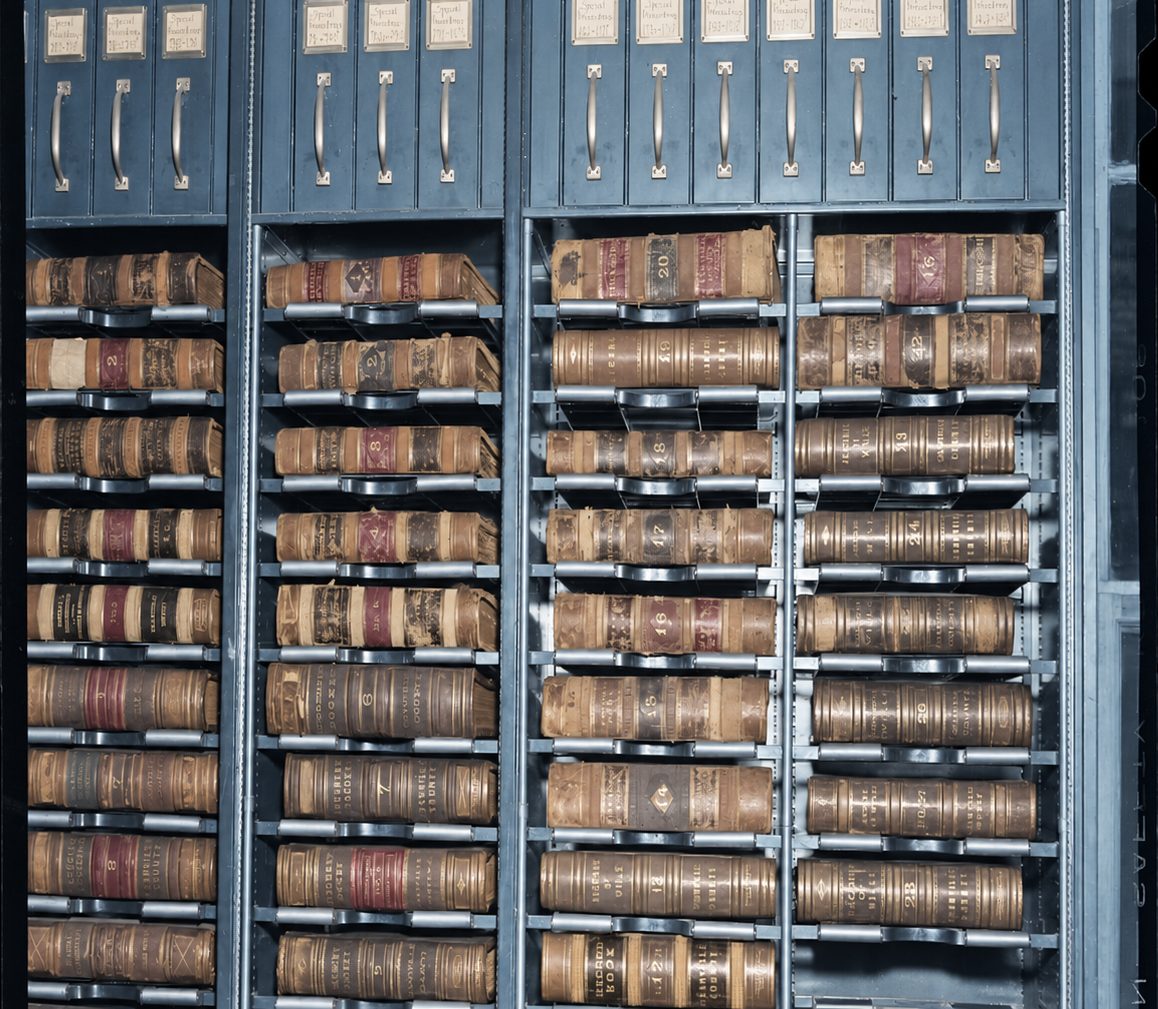
Sell-side title work is assembly before it is judgment: reading every instrument, building the runsheets, tracing each interest to its current owner, and finding out what the record cites but the package doesn't contain. That assembly is what takes the weeks. The judgment — what a landman is actually for — waits behind it.
- SCOPEDocuments only. Cogzia worked from the instruments supplied — nothing pulled from the courthouse or the public record.
- FORMATThe client's own title workbook. The output landed in the spreadsheet the landman would otherwise have built by hand.
- OWNERSHIPThe landman stayed in charge. Cogzia's job was to do the assembly and say exactly where a person was needed.
The workbook, filled. The questions, listed.
Tracts, instruments, parties, leases, and wells, in the client's own format. The grunt work of building it by hand — gone.
- Every conclusion is cited to the document and page it rests on.
- Where the record is silent or conflicting, that is reported as a gap — never filled in.
- Every assumption the analysis rests on is written down, with what it costs if it turns out to be wrong.
The landman's time went to judgment, not assembly.
The team asked for two things: the workbook, and to get through more deals. The workbook arrived mostly filled. The judgment calls arrived as a queue with page references. And when the seller sends the next batch of instruments, the package re-runs — the workbook, the chain, and the queue update, and the landman picks up where the last pass left off.
Bring us a land dataset.
A folder of instruments and the schedule you pay on. We'll show you where they agree, where they don't, and exactly where your landman is needed.